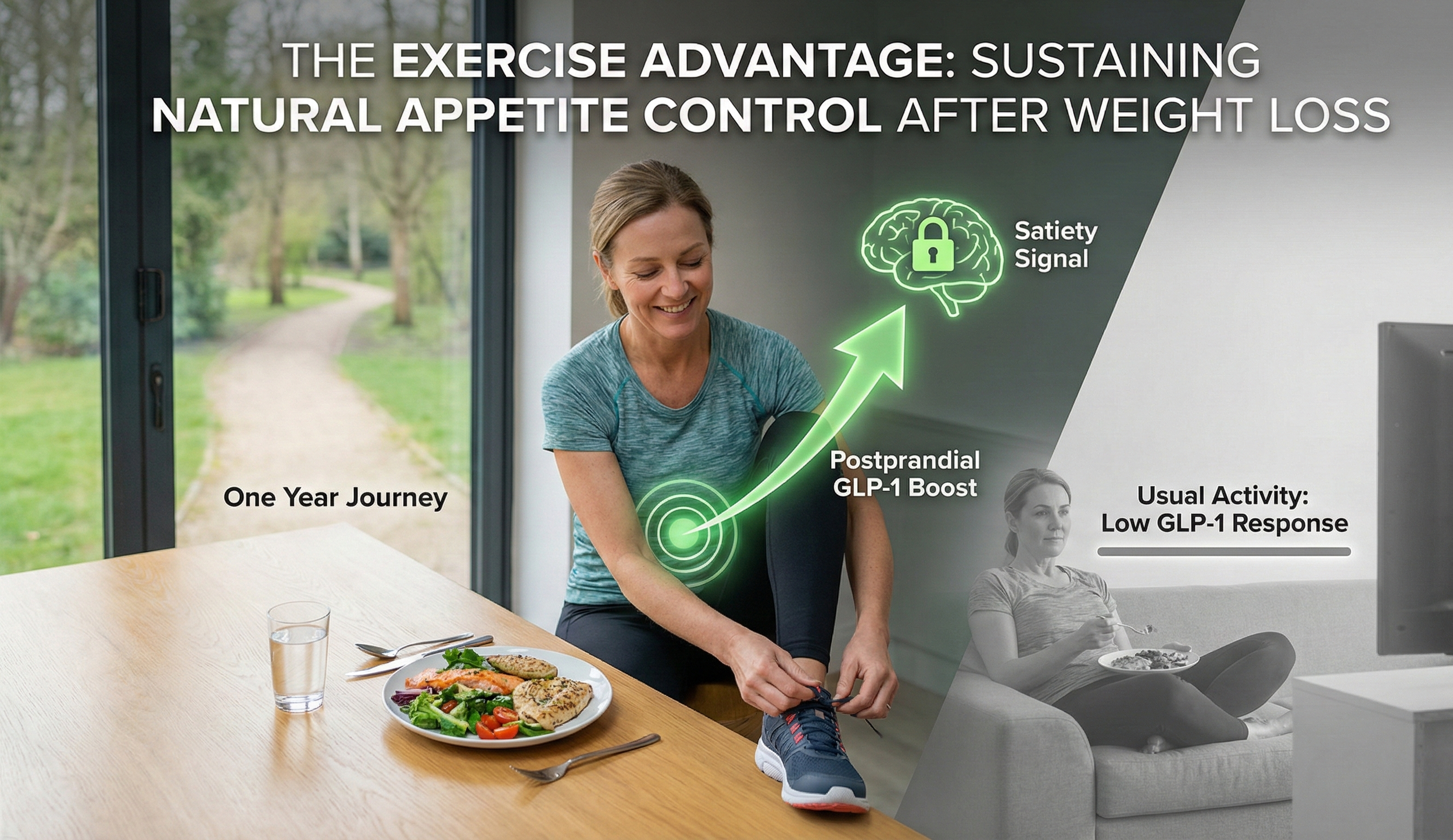
Dimagrire è difficile, mantenerlo di più: come l’esercizio aumenta il GLP-1 naturale e riduce la fame
Un recente studio pubblicato su Obesity mostra che un anno di esercizio fisico dopo una significativa perdita di peso aumenta la secrezione naturale di GLP-1 nella fase tardiva post-prandiale. Questo meccanismo può contribuire a ridurre l’aumento della fame dopo il dimagrimento e a prevenire il recupero del peso. A differenza dei farmaci agonisti del GLP-1, l’attività fisica stimola il GLP-1 endogeno, rafforzando il ruolo dell’esercizio come strumento chiave nel mantenimento del peso a lungo termine.
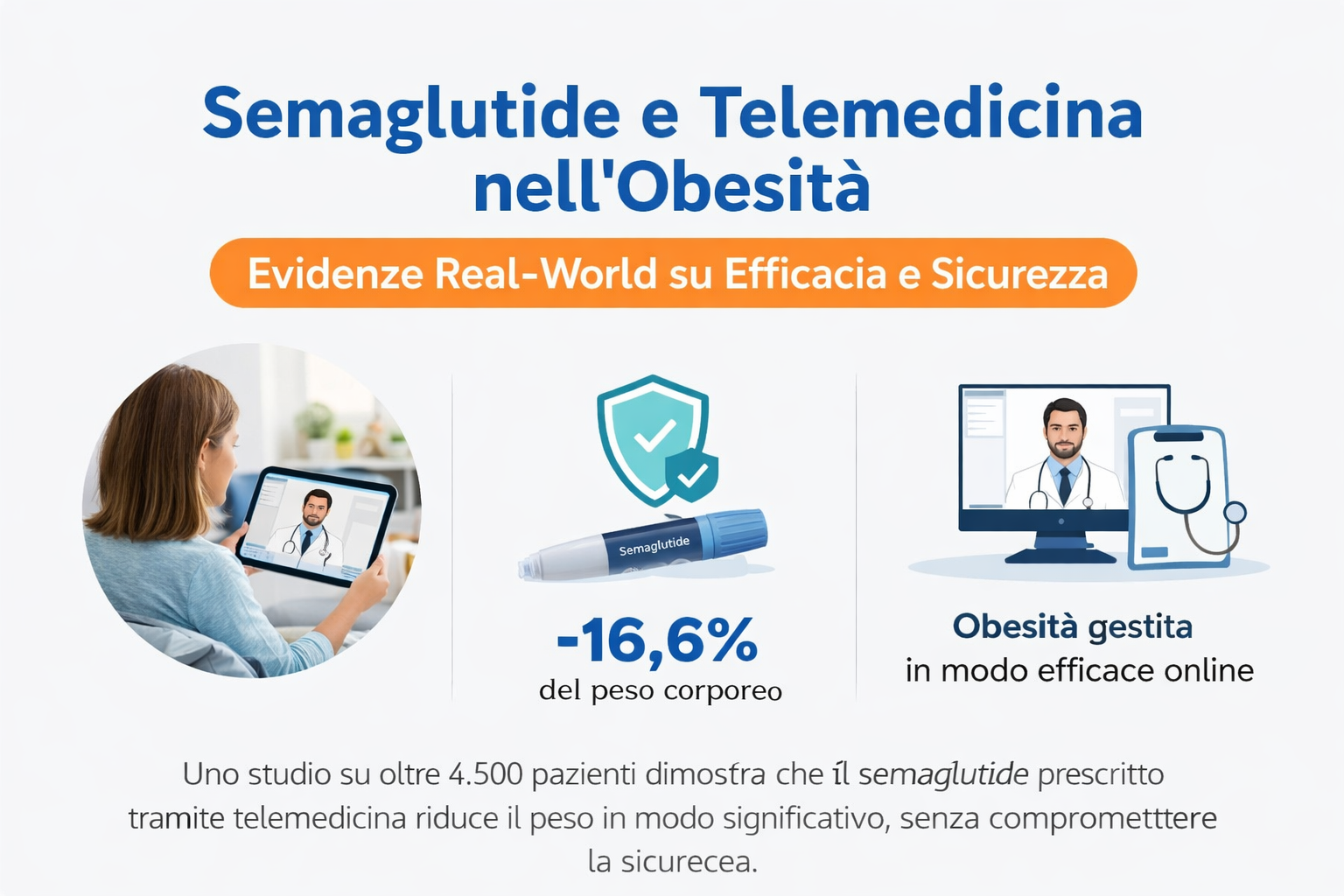
Semaglutide e visite online: cosa ci dice davvero la medicina reale
Un ampio studio di real-world evidence ha analizzato l’efficacia e la sicurezza del semaglutide in oltre 4.500 pazienti con sovrappeso e obesità seguiti tramite percorsi di telemedicina. I risultati mostrano una perdita di peso clinicamente significativa, paragonabile a quella osservata negli studi clinici tradizionali, con un profilo di sicurezza coerente e prevedibile. L’analisi conferma che la gestione dell’obesità può essere efficace anche online, a condizione che il percorso sia strutturato, medicalmente supervisionato e basato sulle evidenze scientifiche. La telemedicina emerge così come uno strumento valido per ampliare l’accesso alle cure, senza compromettere qualità e sicurezza.
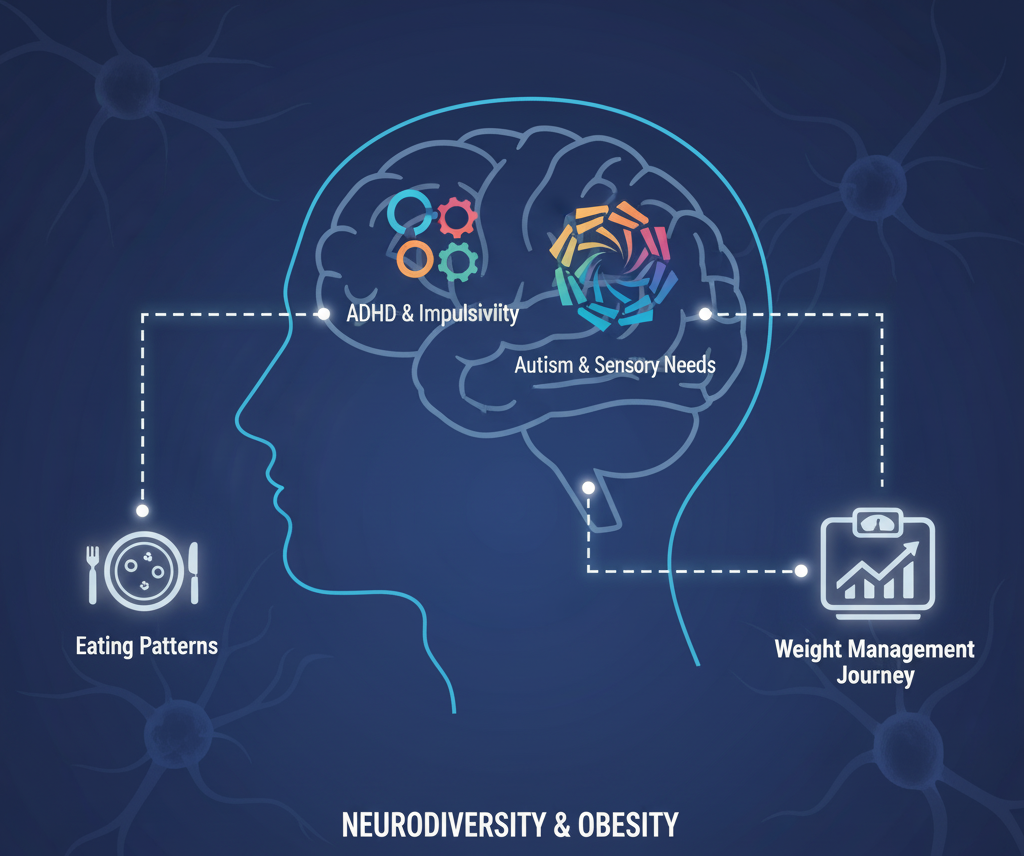
Obesity Is Not the Same for Everyone: The Hidden Role of Autism and ADHD in Treatment Response
A recent scoping review published in Nutrients examines the link between neurodiversity—specifically ADHD and autism—and obesity in adults. The findings show that ADHD is significantly overrepresented in adults with obesity, shaping a distinct clinical profile marked by impulsivity, emotional dysregulation, eating disorders, and poorer quality of life. These patients also show worse outcomes with standard behavioral and pharmacological weight-loss treatments.
By contrast, ADHD-specific medications appear to support meaningful weight loss. Bariatric surgery remains effective, but patients with ADHD face higher complication rates and lower adherence to follow-up.
The review also highlights a major research gap: despite clinical relevance, there is almost no evidence on autism and obesity in adults.
Overall, the study underscores the need for personalized, neurodiversity-informed obesity care, rather than relying solely on traditional weight-loss strategies.